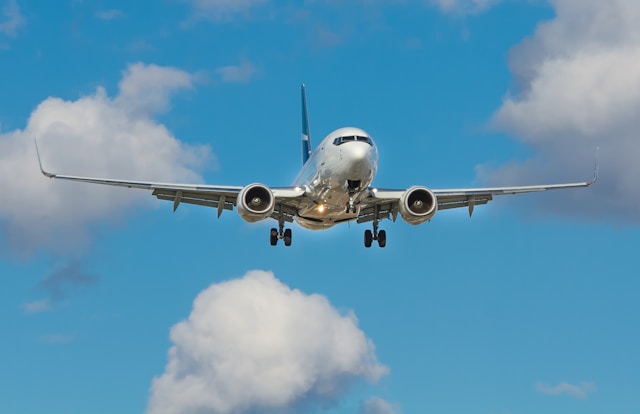
Modern flight training blends two powerful tools: high-fidelity simulators and real aircraft experience. While simulators provide a safe and controlled environment to practice maneuvers, actual flying time builds the instincts and confidence that every pilot needs. The key question for aspiring aviators is not which one is better, but how to strike the right balance between the two.
The Role of Flight Simulators
A Safe Environment for Beginners
Simulators allow students to practice without the risks and costs of flying an actual plane. New pilots can learn the basics of navigation, radio communication, and instrument scanning without the pressure of being thousands of feet in the air. Mistakes in a simulator are learning opportunities, not safety hazards.
Cost-Effective Learning
Flight training is notoriously expensive, with aircraft rental fees adding up quickly. Simulators reduce these costs significantly. Students can log valuable training hours for a fraction of the price, making aviation more accessible to those on tighter budgets.
Practicing Rare and Dangerous Scenarios
In real aircraft, exposing a student to emergencies like engine failure or severe weather carries significant risks. Simulators, however, can replicate these situations safely. By repeating such scenarios multiple times, pilots develop calm, methodical responses that prepare them for real-life challenges.
The Importance of Real Aircraft Training
Building Real-World Flying Skills
While simulators are excellent teaching tools, nothing can fully replace the experience of controlling an actual airplane. The feel of turbulence, the sensation of lift during takeoff, and the physical cues from the aircraft are vital experiences that shape a confident pilot.
Adapting to Imperfections
Simulators create idealized conditions, but real planes come with quirks. Instruments may lag slightly, engines may sound different, and weather conditions can change unexpectedly. Learning to adapt to these variables is a crucial step in becoming a competent pilot.
Developing Confidence and Decision-Making
Confidence comes from time in the cockpit. Students must learn to make decisions while handling the physical demands of flight, something that simulators cannot fully replicate. Real flying conditions force pilots to combine knowledge, instinct, and judgment under pressure.
Striking the Right Balance
Regulatory Requirements
The Federal Aviation Administration (FAA) and similar authorities worldwide set limits on how many simulator hours can count toward licenses. For example, a portion of instrument training can be completed in a certified simulator, but a certain number of real aircraft hours remain mandatory. This ensures that pilots gain both theoretical proficiency and practical experience.
Blended Training Approaches
Most flight schools today use a blended model. Students may spend the early stages of training in a simulator before transitioning to real aircraft. For advanced ratings, such as the Instrument Rating or Multi-Engine Certification, simulators supplement actual flight time by replicating complex systems and scenarios.
Cost, Safety, and Efficiency
Finding the right mix often comes down to three factors:
- Cost – Using simulators for repetitive drills reduces overall expenses.
- Safety – Hazardous maneuvers can be safely practiced in simulators.
- Efficiency – Students progress faster when theory is reinforced in the simulator before being tested in real aircraft.
Lessons Beyond Aviation
Interestingly, the simulator vs. real-world debate is not unique to aviation. Many industries use simulations as stepping stones to practical experience—medicine, engineering, even competitive gaming. For example, bettors often test strategies virtually before placing real wagers, similar to how aspiring pilots practice in simulators before flying. Platforms such as Allbets.tv highlight how preparation and analysis in a safe environment can improve real-world outcomes.
Conclusion
Neither simulators nor real aircraft alone can produce a skilled pilot. Simulators provide a foundation of knowledge, safety, and repetition, while real aircraft flying sharpens instincts, decision-making, and confidence. The best training programs combine both tools, giving students the technical expertise and hands-on experience necessary for aviation success.
Ultimately, the “best balance” depends on the student’s goals, budget, and progress. But one truth remains universal: a pilot who learns to master both simulation and real-world flying enters the skies with the highest level of preparation.